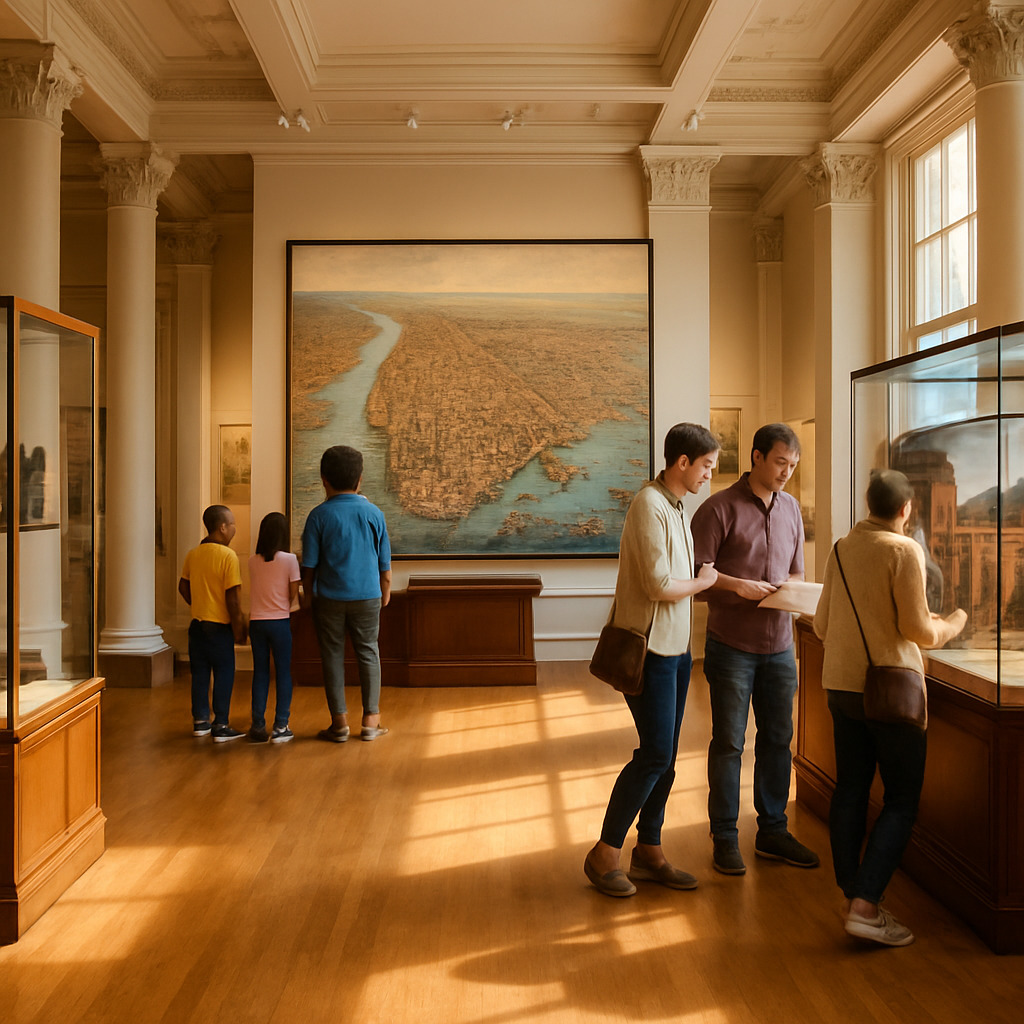
Whether you live here or are visiting for the weekend, New York history museums are treasure troves of stories, objects, and moments that shaped the city. This guide will help you pick the right museum, avoid crowds, and get the most out of every visit.
Why visit a New York history museum?
Museums make the city come alive. You can see the ordinary objects that changed lives, learn about neighborhoods you walk through every day, and find new ways to view familiar streets. They are great for solo curious days, family outings, date ideas, and rainy day rescue plans.
Top spots to know
- New-York Historical Society – Classic exhibits on Gotham history, rotating special shows, and a lovely shop. A good pick for adults and teens who like deep dives.
- Museum of the City of New York – Focused on city culture and neighborhoods. Often has lively photo exhibits and community-driven displays.
- Tenement Museum – Immersive tours about immigrant life in the Lower East Side. Book timed tours in advance for the best experience.
- South Street Seaport Museum – Great if you love maritime history and old ships along the East River waterfront.
- Merchant’s House Museum – A smaller, atmospheric house museum that gives a real sense of 19th century New York life.
Tips for residents and regulars
- Get a membership. If you plan to visit more than once a year, a membership pays off. Members often get free admission, guest passes, and early access to ticketed events.
- Take advantage of evenings. Many museums offer late hours once a week. Night visits are quieter and feel different from daytime crowds.
- Look for resident discounts. Some institutions offer special local pricing or community days. Check the website or call the front desk.
- Volunteer or become a docent. If you love history, volunteering is a great way to learn behind-the-scenes stories and meet locals with similar interests.
Tips for first time visitors
- Book timed tickets when available. This avoids long lines and guarantees entry for popular shows.
- Plan your time. A quick visit can be 1 hour. A focused experience with one exhibit is 1 to 2 hours. A deep exploration can take 3 to 4 hours.
- Start with the highlights. Look for a map or an app and pick 2 or 3 must-see items before you wander.
- Bring snacks or plan nearby eats. Many museums do not allow food in galleries. Search for nearby cafes or museum cafeterias to make a full day of it.
- Check photography rules. Most museums allow non-flash photos but some exhibits restrict photography. Respect the rules and staff requests.
Family friendly ideas
- Pick kid-centered programs. Many museums offer family days, story times, and activity kits for kids.
- Make it a scavenger hunt. Create a simple list like find a hat, find an old map, find a toy. Small goals keep kids engaged.
- Bring a stroller strategy. Check elevator locations and stroller-friendly routes on the museum map.
How to avoid crowds and get the best photos
- Visit on weekday mornings. The first hour after opening is often the calmest time to explore popular galleries.
- Avoid major holidays like Thanksgiving weekend and certain long holiday weekends when museums can be busiest.
- Use side entrances if available. Some museums have less busy doors that save time.
- Compose photos with context. Include architectural details, gallery lighting, and visitors for a storytelling shot. Always avoid flash in sensitive exhibits.
Hidden gems and extra experiences
- Library and archives. Some museums have research libraries open by appointment. You can see original documents and rare photos.
- Lecture series and film nights. Look for talks from historians, filmmakers, and neighborhood experts to add depth to your visit.
- Temporary exhibits. These often spotlight surprising topics like fashion, food, or subway history and can be more lively than permanent displays.
- Pop-up neighborhood tours. Museums sometimes offer walking tours that connect exhibits to real streetscapes outside.
Getting there and practicalities
- Public transit is usually easiest. Most museums are near subway lines or multiple bus routes. Use a transit app to plan your trip.
- Check coat check and bag rules. Larger bags may need to be checked. Hands-free travel is more comfortable inside galleries.
- Accessibility. Most museums have ramps, elevators, and accessible restrooms. Call ahead if you need specific accommodations.
Quick sample itineraries
- One hour. Pick one exhibit, enjoy the highlights, hit the museum shop, then grab coffee nearby.
- Half day. Use 2 to 3 hours to see a main exhibit, attend a short talk or film, and sit for a light lunch in the museum cafe.
- Full day. Combine a museum visit with a neighborhood walk, lunch at a local spot, and a second smaller museum or house tour in the afternoon.
Final tips
Keep an eye on museum websites and social feeds for pop-ups, after-hours events, and special ticket releases. If you live in the city, build a museum visit into your slow weekend plans. If you are visiting, pick one museum that matches your interests and enjoy a deeper look instead of trying to see everything.
Which New York history museum is your favorite? Share a tip or a favorite exhibit in the comments below and help other readers make their next visit great.